Mild fall weather in Los Angeles County can make termite activity easier to underestimate. Cooler mornings and shorter days may reduce some visible insect activity, but termites can remain protected inside wood, soil, wall voids, attics, and other sheltered areas. Drywood termites can live directly inside structural wood, while subterranean termites travel through soil and protected pathways where temperature and moisture stay more stable than outdoor air.
Our team approaches termite control by looking at the species, location, moisture conditions, structural access, and evidence found during inspection. Fall is not an automatic break in termite activity. In many Southern California properties, mild temperatures and continuing moisture around landscaping or foundations can support hidden movement well after summer heat fades.
Mild Fall Conditions Can Still Support Hidden Termite Activity
Termites do not need summer-level heat to remain active. Drywood termites live inside above-ground wood, where framing, rafters, eaves, fascia, and other structural components protect them from changing outdoor temperatures. Subterranean termites remain connected to soil, where moisture and temperature can stay favorable even as nights become cooler.
Our guide to coastal termite prevention explains why fall remains an important time to check rooflines, attics, foundations, irrigation zones, and moisture-prone exterior areas.
Fall warning signs can include:
- Frass collecting beneath beams, trim, windows, or attic framing
- Discarded wings near windows, doors, vents, or light sources
- Mud tubes along foundations, slabs, or structural supports
- Hollow-sounding or weakened wood in previously sound areas
- Blistered surfaces or unexplained soft spots in structural wood
- Fresh evidence appearing near areas with earlier termite activity
These signs deserve professional evaluation because surface evidence alone cannot show how far activity extends.
Moisture Around Foundations Can Keep Subterranean Termites Moving
Subterranean termites depend heavily on moisture. Irrigation, leaking hose bibs, plumbing issues, poor drainage, dense landscaping, mulch, and shaded soil can create protected conditions around foundations through fall. A mild season may allow those moisture patterns to continue even when summer irrigation schedules begin changing.
Our technicians examine how damp soil connects with structural wood and foundation access. Moisture does not prove termites are present, but it can increase risk when it overlaps with hidden entry routes or existing colony activity.
Conditions worth reviewing include:
- Irrigation repeatedly wetting soil beside foundations
- Mulch staying damp against exterior walls
- Drainage collecting water near slabs or crawl-space areas
- Wooden posts or siding making unnecessary soil contact
- Dense shrubs reducing airflow around foundation lines
- Plumbing leaks keeping nearby structural areas damp
Correcting moisture can make the property less favorable, but it does not eliminate an established colony. Active termites still require treatment matched to the species and location.
Professional Inspection Helps Match Treatment To The Actual Problem
The relationship between moisture and termites is explored further in our guide to soil moisture risk, which explains why damp soil is especially important when evaluating subterranean termite pathways. The same inspection also needs to consider drywood termites, because they can remain active inside wood without any soil connection.
That difference is why termite control should never be based on season alone. Our team uses the evidence to determine whether localized treatment is appropriate or whether the infestation is more extensive.
A professional termite-control plan may include:
- Foam treatment for localized activity in accessible voids or wood
- Borate applications where exposed wood and conditions make them appropriate
- Soil treatment for subterranean termite activity around foundations
- Heat treatment for selected drywood termite situations
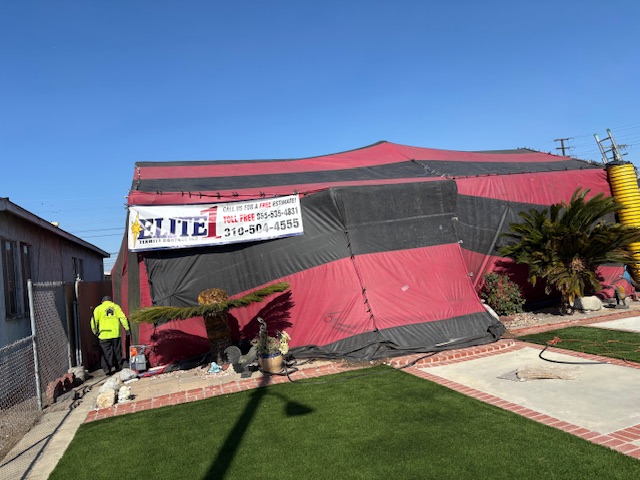
- Whole-structure tenting when drywood activity is widespread
- Ongoing inspection to track fresh evidence and changing conditions
The right treatment depends on what the inspection confirms. One damaged board does not automatically mean the whole structure needs treatment, and one quiet season does not prove activity has stopped.
Fall can actually be a useful time to establish a clearer baseline. Roof leaks, irrigation changes, landscaping growth, repairs, and drainage problems may become easier to notice after summer. Photos, inspection notes, and treatment records help our technicians compare future findings with what was present earlier.
Professional evaluation also helps separate termite damage from other wood problems. Dry rot, moisture damage, aging materials, and structural wear can sometimes resemble termite-related changes from the surface. Correct identification helps avoid unnecessary treatment while making sure active infestations are not overlooked.
Long-term protection works best when moisture management, inspection, species identification, treatment, and follow-up support each other. Mild fall weather may change where termites move or how visible they are, but protected colonies can continue feeding where conditions remain favorable.
That is why the season should not determine whether a concern is taken seriously. Mud tubes, frass, discarded wings, soft wood, or moisture-related structural changes should be evaluated based on the evidence found at the property. Professional inspection gives our team the information needed to decide whether the issue is active, how far it may extend, and which termite-control method fits the situation.
Keep Mild Fall Weather From Hiding Termite Activity
If you notice frass, mud tubes, discarded wings, suspicious wood, or moisture-related changes this fall, contact Elite1 Termite Control, Inc. for professional termite control, inspection, treatment planning, and long-term monitoring.