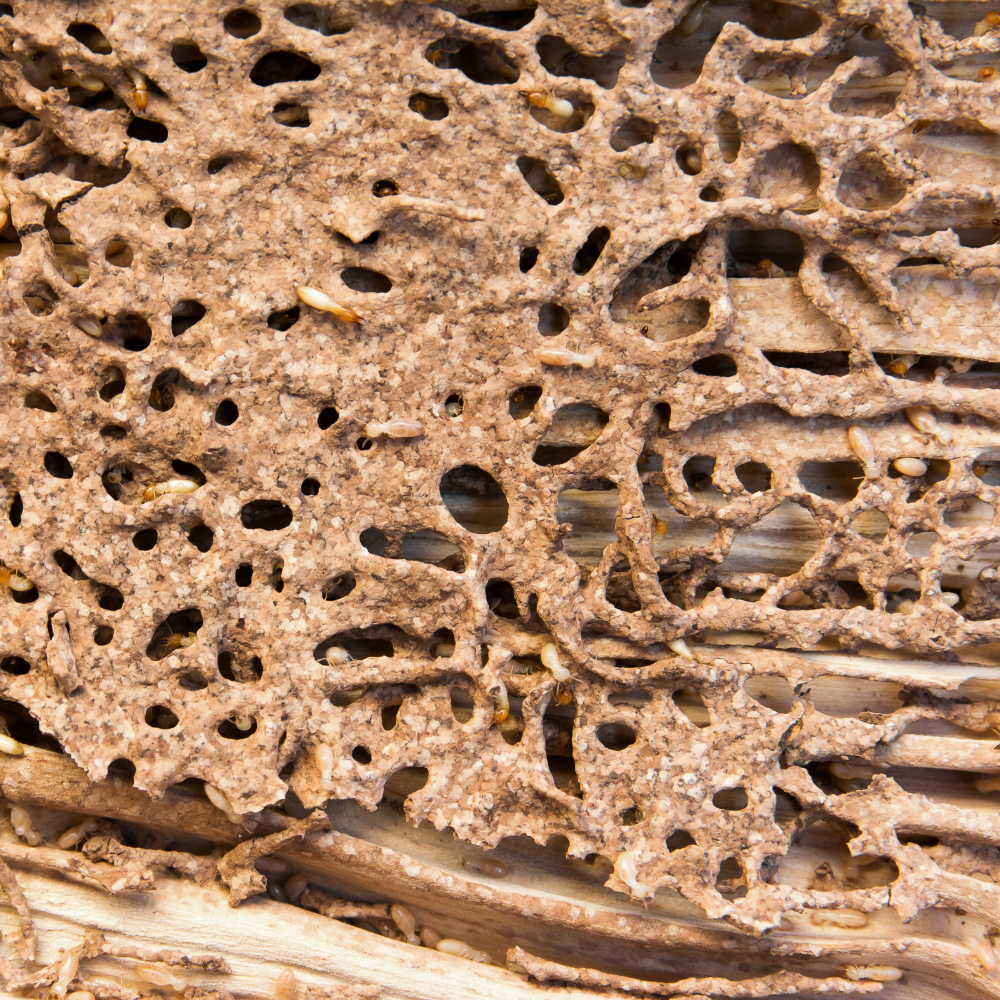
Fall can make termite problems easier to notice even when the infestation began much earlier. Cooler mornings, changing moisture, seasonal repairs, and time spent checking attics, foundations, or exterior wood can reveal damage that stayed hidden through summer. Drywood termites may remain inside framing, rafters, eaves, fascia, and other above-ground wood, while subterranean termites can travel from soil through protected pathways near foundations.
Our team approaches termite control by identifying the species, locating active areas, and separating fresh evidence from older damage. That distinction matters because a soft board, pellet pile, or mud tube alone doesn’t show how far activity extends. Professional inspection helps us connect visible clues with hidden structural conditions before treatment or repair decisions are made.
Fall Can Reveal Damage That Was Developing Out Of Sight
Mild Southern California fall weather does not stop termite activity. Our guide to fall termite activity explains how drywood termites can stay protected inside wood while subterranean termites remain active in soil and moisture-controlled pathways.
Homeowners may begin noticing signs that were previously easy to miss:
- Frass collecting beneath windows, beams, trim, or attic framing
- Discarded wings near doors, windows, vents, or light sources
- Mud tubes along foundations, slabs, or structural supports
- Hollow-sounding wood in areas that once felt solid
- Blistered or uneven surfaces with no obvious cause
- Fresh damage near areas with previous termite activity
These signs can point to hidden feeding, but they do not show the full boundaries of an infestation. A localized symptom may connect to activity inside nearby framing, wall voids, eaves, or foundation areas.
Structural Changes Can Help Narrow Down Where Termites Are Active
Termite damage often develops inside wood before the exterior surface changes. Drywood termites can hollow galleries within structural components while leaving a thin outer layer intact. Subterranean termites may reach wood from the soil and continue feeding behind finished surfaces.
Our technicians compare visible damage with the home’s construction, moisture conditions, and likely travel routes. That helps us determine whether the evidence appears old, current, isolated, or more widespread.
Important changes to investigate include:
- Baseboards or trim that feel unusually soft
- Flooring that develops unexplained sagging or uneven sections
- Wood that sounds hollow when tapped
- Paint or finish that begins bubbling without a clear leak
- Attic framing showing pellets, surface damage, or weakened areas
- Foundation zones where mud tubes appear after rain or irrigation
Moisture can increase risk, especially for subterranean termites, but moisture alone does not confirm an infestation. Professional evaluation is needed to determine whether termites are actually present and which species is involved.
Professional Inspection Helps Turn Hidden Damage Into A Clear Treatment Plan
A professional inspection is designed to answer whether termites are active, where the evidence is located, and what conditions may be supporting the problem. Our guide to termite inspection steps explains why inspectors examine accessible interior and exterior areas, moisture conditions, landscaping, structural wood, and foundation zones before recommending treatment.
A detailed inspection may include:
- Checking attics, garages, crawl spaces, and accessible framing
- Looking for drywood termite frass and discarded wings
- Following mud tubes and foundation evidence linked to subterranean termites
- Reviewing irrigation, drainage, and plumbing-related moisture
- Comparing current damage with previous repairs or treatment records
- Evaluating whether activity appears localized or widespread
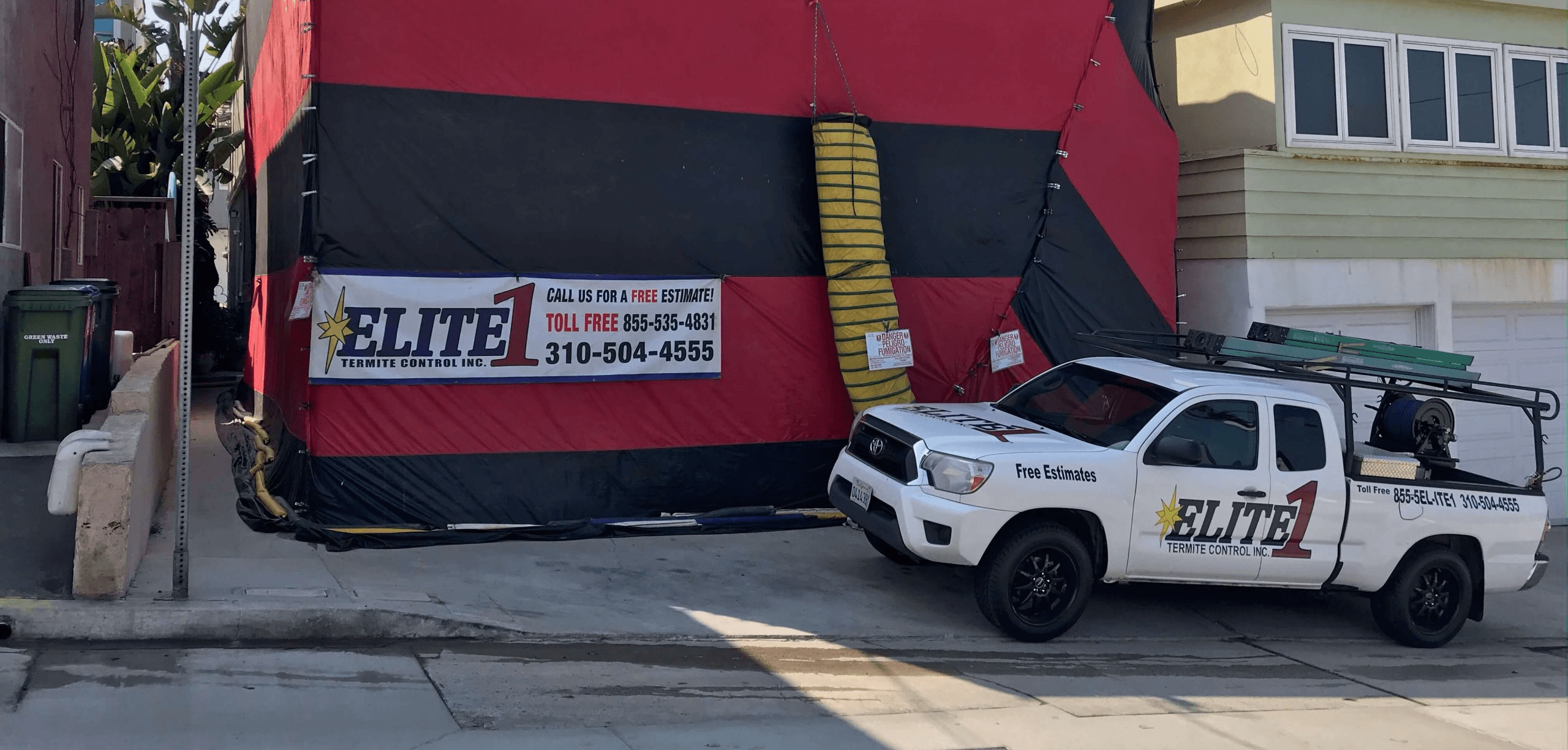
The treatment should match what the inspection confirms. Localized drywood activity may be suited to foam or another targeted treatment. Exposed wood may sometimes be treated with borates. Subterranean activity may require soil treatment, while widespread drywood infestations can call for whole-structure tenting.
This is also why repairs should not automatically come before inspection. Replacing damaged trim or covering affected wood can remove evidence that helps determine where termites are traveling. A professional assessment first can provide a clearer picture of active areas and reduce the risk of addressing only the visible damage.
Fall can also reveal new moisture problems that influence termite pressure. Roof leaks, irrigation changes, drainage issues, plumbing problems, and landscaping growth can create conditions that were not present during an earlier inspection. Rechecking those areas is especially important when the property has a history of termite activity.
Long-term termite control works best when treatment, moisture management, structural repair, and follow-up support one another. A quiet period does not always mean termites are gone, and one damaged board does not always mean the entire structure is affected. Professional inspection helps place each clue in context.
The most important step is recognizing that hidden termite damage often develops before obvious structural changes appear. Frass, wings, mud tubes, soft wood, or surface distortion may be the first visible signs of a problem that has been developing inside wood or behind finished areas. Fall is a useful time to pay attention to those changes and have suspicious evidence evaluated before damage spreads further.
Turn Subtle Fall Warning Signs Into A Clear Termite Plan
If you notice frass, mud tubes, discarded wings, weakened wood, or unexplained surface changes this fall, contact Elite1 Termite Control, Inc. for professional termite control, inspection, treatment planning, and long-term follow-up.