
What Are Drywood Termites?
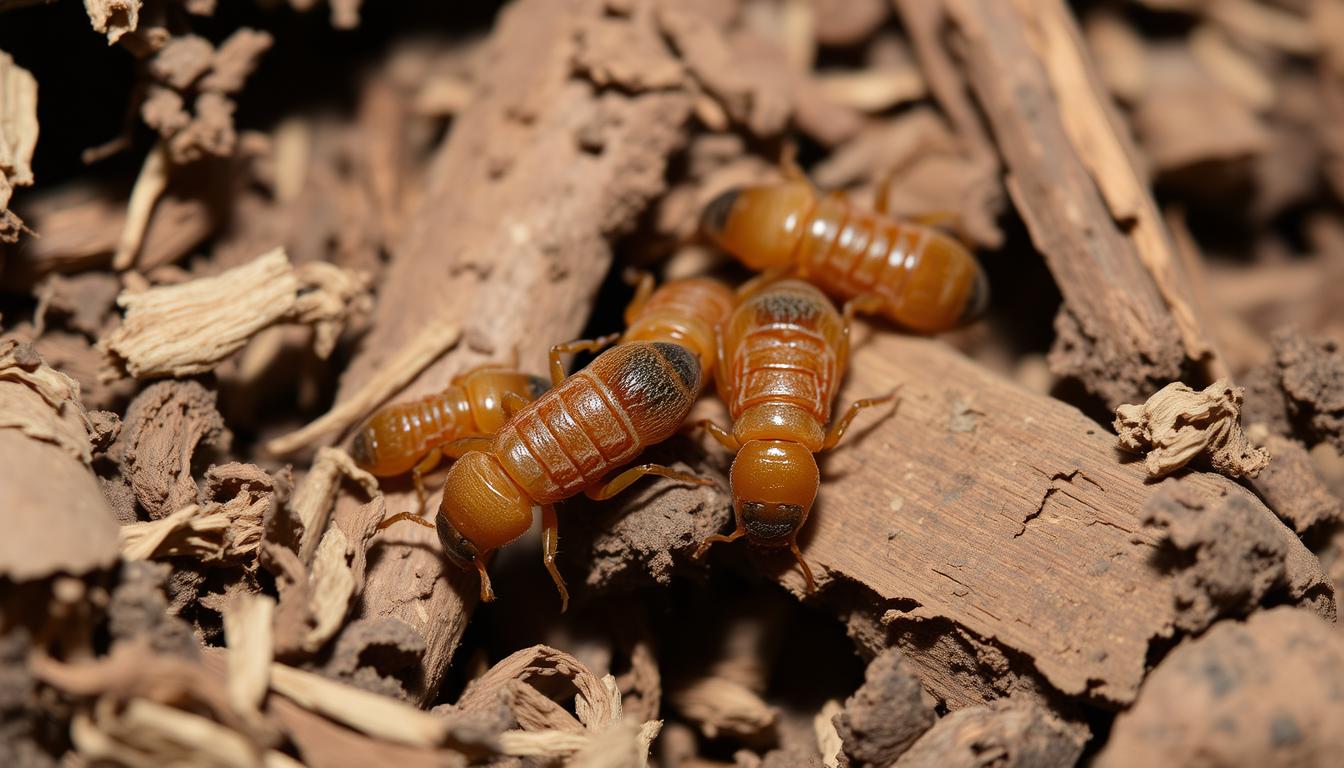
Drywood Colonies Can Grow Large Without Warning
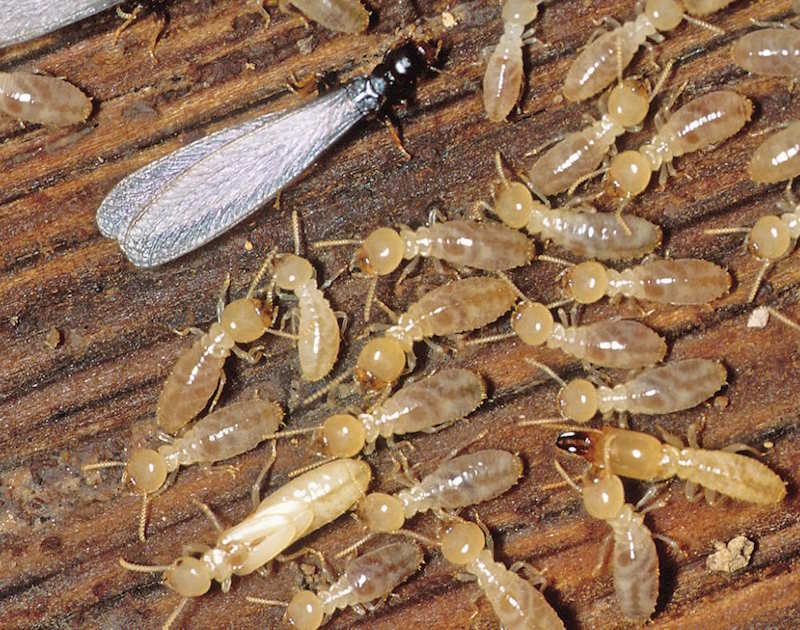
Drywood termite colonies pose a serious threat. A single colony may range from a few hundred to several thousand termites. Over time, their feeding tunnels can hollow out wooden elements from the inside, weakening everything from structural supports to classic furniture.
Such colonies usually go undetected for years. By the time indications like blistered paint or droppings appear, the infestation is quite advanced. This stealthy behavior makes consistent inspections crucial, especially in homes with attics, wooden siding, or exposed rafters.
When and How Drywood Termites Swarm
- Pre-flight Activity: Winged termites, also known as alates, prepare to leave their current colony. This generally occurs when the termite colony matures and becomes overcrowded.
- Synchronized Flight: Groups of swarmers emerge together, flying in search of a new location to settle. They may travel either long or short distances depending on moisture, wind, and temperature.
- Colony Formation: After landing, swarmers shed their wings and pair off. Afterwards, mated pairs burrow into dry wood to begin a new colony from scratch.
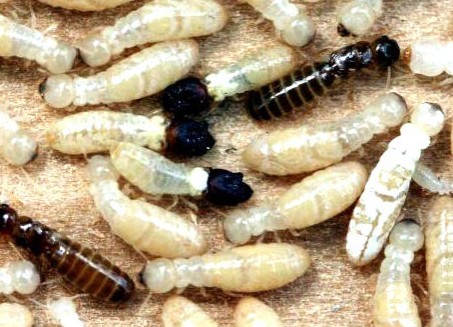
Drywood Colonies Can Multiply Out of Sight
Drywood Termite Damage Can Be Costlier Than You Think
Many people underestimate drywood termites, but in reality, the cost of their damage can outpace that of subterranean termites. As they directly nest within the wood they feed on, rafters, window frames, and structural beams are all at major risk. Over time, what begins as a mild infestation can weaken the integrity of your home.
The ability of drywood termites to stay undetected for months or years can result in extensive repairs or restorations. Hence, home and business owners in California must stay alert to avoid any unexpected, expensive costs.
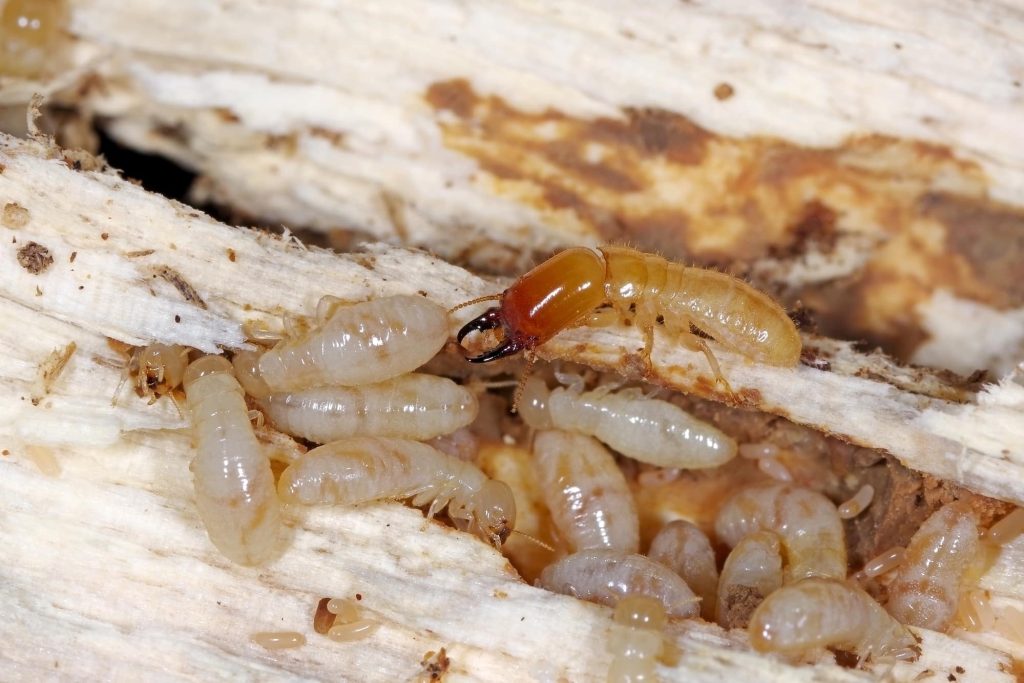
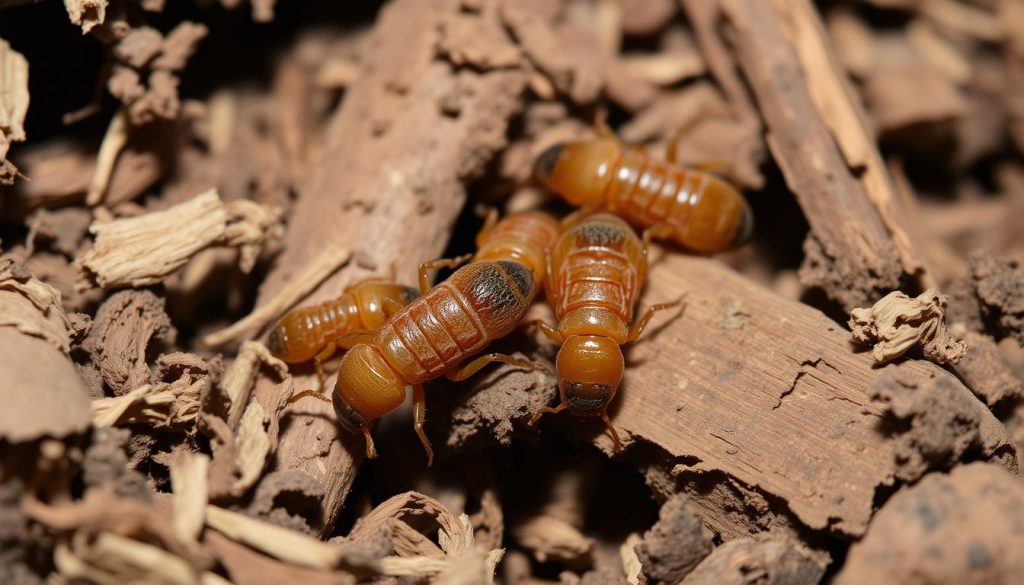
Deep Termite Infestations Require Targeted Treatment
Spotting drywood termite damage is only the beginning. Such pests burrow deep into wood, and any store-bought solutions won’t penetrate it. Applying pesticides without any knowledge or plan rarely works, and if incorrectly applied, the problem may get worse.
This is the main reason why professional intervention is crucial. Licensed technicians have the right equipment to pinpoint hidden colonies and utilize termite control treatments directly to active areas. Accuracy matters a lot when you are dealing with drywood termites.
Deep Termite Infestations Require Targeted Treatment
Spotting drywood termite damage is only the beginning. Such pests burrow deep into wood, and any store-bought solutions won’t penetrate it. Applying pesticides without any knowledge or plan rarely works, and if incorrectly applied, the problem may get worse.
This is the main reason why professional intervention is crucial. Licensed technicians have the right equipment to pinpoint hidden colonies and utilize termite control treatments directly to active areas. Accuracy matters a lot when you are dealing with drywood termites.
The Best Results Come From A Combination Of Techniques
To fully get rid of a drywood termite infestation, pest professionals use a combination of methods. This might include targeted treatments with pesticides, dusts to reach voids within wood, or structural fumigation or tenting in severe cases.
In California, where old homes and coastal humidity increase risk, customized strategies are key. Effective treatment programs take into account the layout of your home, the severity of infestation, and the species’ behavior. Every situation is different, and that is where specialized evaluation becomes critical.