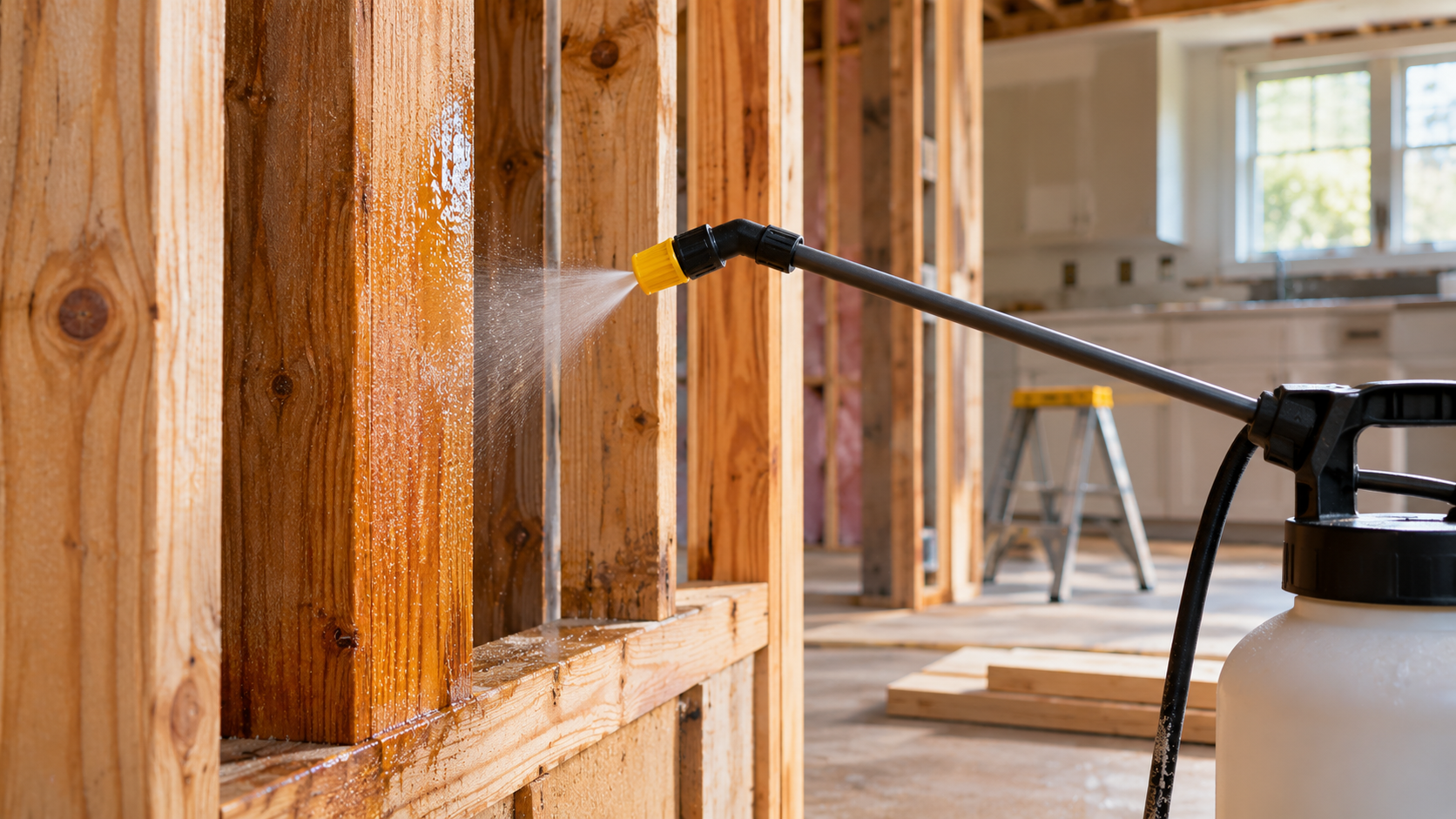
A kitchen remodel may uncover framing that has been hidden for decades. Once cabinets and drywall are removed, homeowners can finally see the wood behind them. That brief window also offers a chance to consider termite protection before the new finishes make the area difficult to reach again.
We help Los Angeles County homeowners understand which termite treatments fit the wood, the building, and the work being planned. Borate treatments are particularly useful when bare framing is accessible, but they are not a blanket cure for every termite concern. The first step is deciding what needs protection and whether active termites are already present.
Why Exposed Framing Creates a Useful Treatment Opportunity
Most renovation schedules focus on demolition, electrical work, plumbing, and finishing. Termite prevention can be overlooked until the wall is closed. Yet an unfinished stud or joist is easier to assess and treat than the same piece of wood concealed behind tile, insulation, or drywall.
We consider these opportunities during a remodel:
- Opened walls: Exposed studs and plates may be accessible for appropriately labeled wood treatment.
- Floor repairs: Joists or subfloor framing revealed during replacement can be evaluated before covering.
- Attic updates: Accessible framing may offer treatment opportunities during insulation or ceiling work.
- Garage additions: New framing can be reviewed while construction access remains straightforward.
- Moisture repairs: Previously damp wood may need drying, evaluation, or replacement before treatment.
Accessibility alone does not mean every board should receive the same application. Finished surfaces, wood moisture, product directions, and the planned construction sequence determine whether borate is suitable. We coordinate timing so treatment can occur before surfaces are enclosed, while respecting the preparation and drying requirements for the selected product.
Our article on borates during renovation discusses why this stage offers a practical opportunity for preventive care. Treatment is easier to plan when contractors know about it before insulation and drywall are scheduled.
What Borate Protects and Where Its Limits Begin
Borate products are applied to suitable unfinished wood, where the active ingredient can penetrate the material. Termites that consume properly treated wood may be affected by the borate. Its usefulness depends on adequate coverage and keeping the treated material within the conditions specified on the label, particularly regarding moisture exposure.
Important distinctions include:
- Wood protection: Borate acts within treated wood rather than creating an invisible barrier around the whole house.
- Accessible coverage: Closed wall cavities and coated lumber may limit where treatment can reach.
- Moisture exposure: Repeated wetting can reduce the durability of some borate applications.
- Existing activity: A concealed colony may require different termite-specific treatment after inspection.
- Termite species: Drywood and subterranean termites may call for different additional controls.
This is why we never treat a borate application as proof that a property is termite-free. Subterranean termites can approach through soil-connected pathways, and drywood activity may remain hidden in wood that is not exposed during a remodel. An inspection helps distinguish preventive treatment from work needed for an established infestation.
Our borate treatment explanation outlines how application, coverage, and ongoing moisture conditions affect performance. A sound plan combines the right product with realistic expectations, rather than assuming one application eliminates every future risk.
Build Termite Protection Into the Renovation Sequence
A homeowner replacing damaged cabinets may not know whether an old stain came from water, termites, or a previous repair. Before covering questionable framing, we inspect accessible evidence and explain whether a wood treatment, targeted termite service, or another specialist’s assessment is appropriate. Repairs to unsound structural components are a separate construction decision.
A practical project plan can include:
- Early inspection: Identify suspicious galleries, pellets, mud tubes, and moisture conditions before rebuilding.
- Treatment selection: Decide whether preventive borate, localized foam, soil treatment, or another method fits the findings.
- Trade coordination: Schedule wood treatment while framing is bare and before finishing materials close access.
- Application records: Keep notes about treated locations and any relevant label or drying instructions.
- Future monitoring: Revisit vulnerable areas and address new moisture or termite evidence promptly.
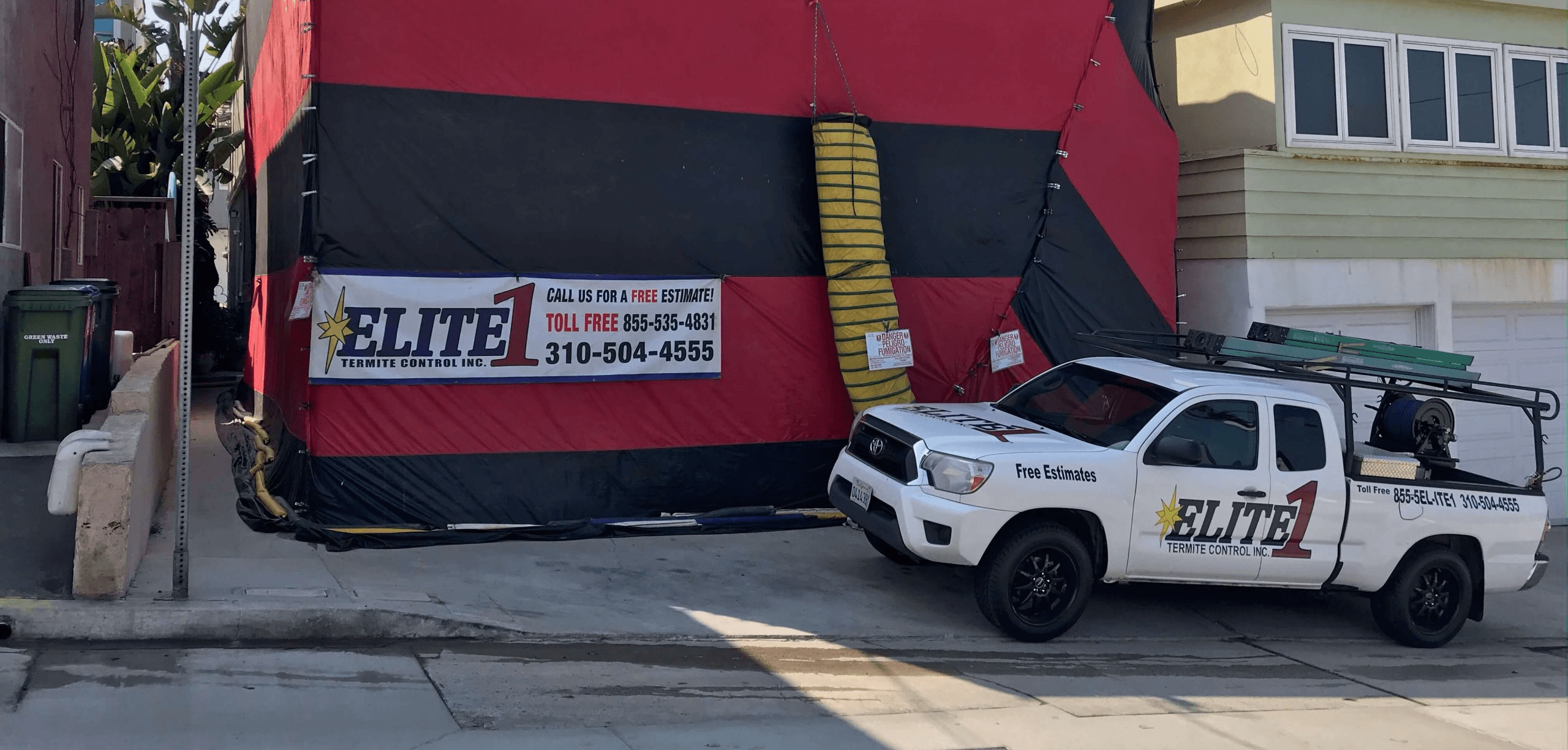
We offer borate wood treatment alongside inspections, spot and foam applications, soil treatments, and fumigation when findings warrant them. Not every renovation needs all of these services. A kitchen project with dry framing may call for a different plan than an addition with exposed foundation-adjacent wood or documented termite damage.
Good construction practices remain essential. Fix plumbing leaks, avoid unnecessary wood-to-soil contact, and keep relevant access points available for inspection. Borate does not repair decayed wood, correct drainage, or substitute for structural work. Its advantage is the opportunity to protect appropriate wood while that wood is reachable.
When owners, contractors, and termite specialists agree on the sequence, protection can be incorporated without reopening freshly finished rooms.
Protect the Wood Before the Walls Close
Planning a remodel or addition in Los Angeles County? Contact Elite1 Termite Control to discuss exposed framing, termite inspection, and professional borate wood treatment. We can review the conditions and recommend the right next step for your project.