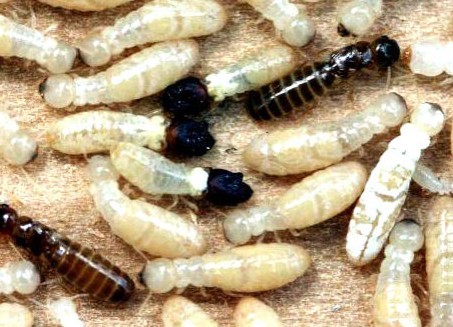
A wall can look perfectly sound while termites feed on wood concealed behind drywall, trim, and other finishes. That makes suspected activity difficult to judge from appearance alone. Small piles of pellets, unusual surface changes, or discarded wings might raise concern, but not every suspicious mark means termites are currently feeding inside the structure.
In Southern California, both drywood and subterranean termites can affect homes, although they occupy wood differently. Our technicians use those distinctions to investigate the evidence rather than assume that every damaged surface requires the same response. Understanding what the signs can and cannot prove is the first step toward an accurate assessment.
Read the Clues Around Walls and Woodwork
Termites rarely expose the full extent of their activity. Instead, signs may appear at baseboards, window frames, door trim, or the transitions where walls meet floors. Each clue offers useful information, but interpretation depends on the species and condition of the surrounding materials.
Common warning signs include:
- Pellet piles: Drywood termites push hard, grain-like droppings through small openings in infested wood, sometimes leaving deposits beneath trim.
- Mud tubes: Subterranean termites build earth-colored passageways along foundations and structural surfaces to travel with protection from drying conditions.
- Discarded wings: Groups of similarly sized wings near windows or lights can suggest that termite swarmers were recently present.
- Hollow or weakened wood: Internal galleries can leave wood sounding unusually empty or feeling fragile where damage is advanced.
- Blistered finishes: Uneven paint, warped trim, or changes around a wall may warrant investigation, although moisture and other defects can look similar.
Finding pellets does not establish that the colony is still alive. Old tubes may also remain after activity ends. Conversely, a clean-looking wall does not rule out concealed feeding. Our guide to early termite warning signs provides more context about the observations that justify an inspection.
Visible evidence also changes over time. New deposits may appear after cleaning, while existing damage can remain unchanged for years. These differences make dated photographs and previous inspection notes useful when professionals compare observations. The location and freshness of evidence matter. A trained inspector examines those details together instead of treating one isolated symptom as confirmation of an active infestation.
Distinguish Current Activity From Earlier Damage
Homeowners often want a simple answer: are termites there right now? Unfortunately, visible damage alone cannot establish when feeding occurred. Wood may remain weakened long after a colony has moved or been treated, while active termites can remain hidden behind intact finishes.
An investigation may consider several types of evidence:
- Live termites: Workers or other colony members observed in an accessible affected area provide stronger evidence of current activity.
- Newly appearing material: Fresh pellets or developing tubes can raise concern, although their source still needs professional confirmation.
- Swarm evidence: Repeated indoor swarmers may indicate a colony nearby, but flying termites do not automatically establish which wall is affected.
- Wood condition: Galleries and damaged framing reveal potential structural consequences, not necessarily whether termites are presently feeding.
- Previous records: Inspection findings and treatment documentation help clarify whether signs are new, unchanged, or connected to a known problem.
The species also influences interpretation. Drywood termites can live within wood without contacting soil, whereas subterranean termites commonly use soil-connected travel routes. Our explanation of termite colony development describes how colony stages and seasonal swarming influence the timing of visible clues.
Other building problems can complicate the picture. Water intrusion, wood decay, and ordinary settling may cause changes that resemble termite damage. Reliable conclusions therefore depend on identifying the insect, examining accessible structural areas, and connecting the findings to the home’s history.
Understand What a Professional Inspection Can Confirm
When evidence points toward hidden wall activity, a detailed inspection helps determine the likely termite type, affected locations, and next steps. It also establishes the limits of what can be known without opening finished surfaces. Our goal is to give homeowners a reasoned assessment, not promise certainty where access is restricted.
A property-specific evaluation generally includes:
- Evidence identification: Examining pellets, tubes, wings, or visible insects to determine whether they are consistent with termites.
- Accessible wood assessment: Reviewing trim, framing, attic areas, and other reachable materials for signs of damage or activity.
- Moisture and access review: Considering conditions around foundations, plumbing, and structural transitions that may influence subterranean termite movement.
- Treatment planning: Matching recommendations to the termite species, infestation extent, and accessibility of affected wood.
- Documentation: Recording findings and identifying areas that may require further assessment or follow-up.
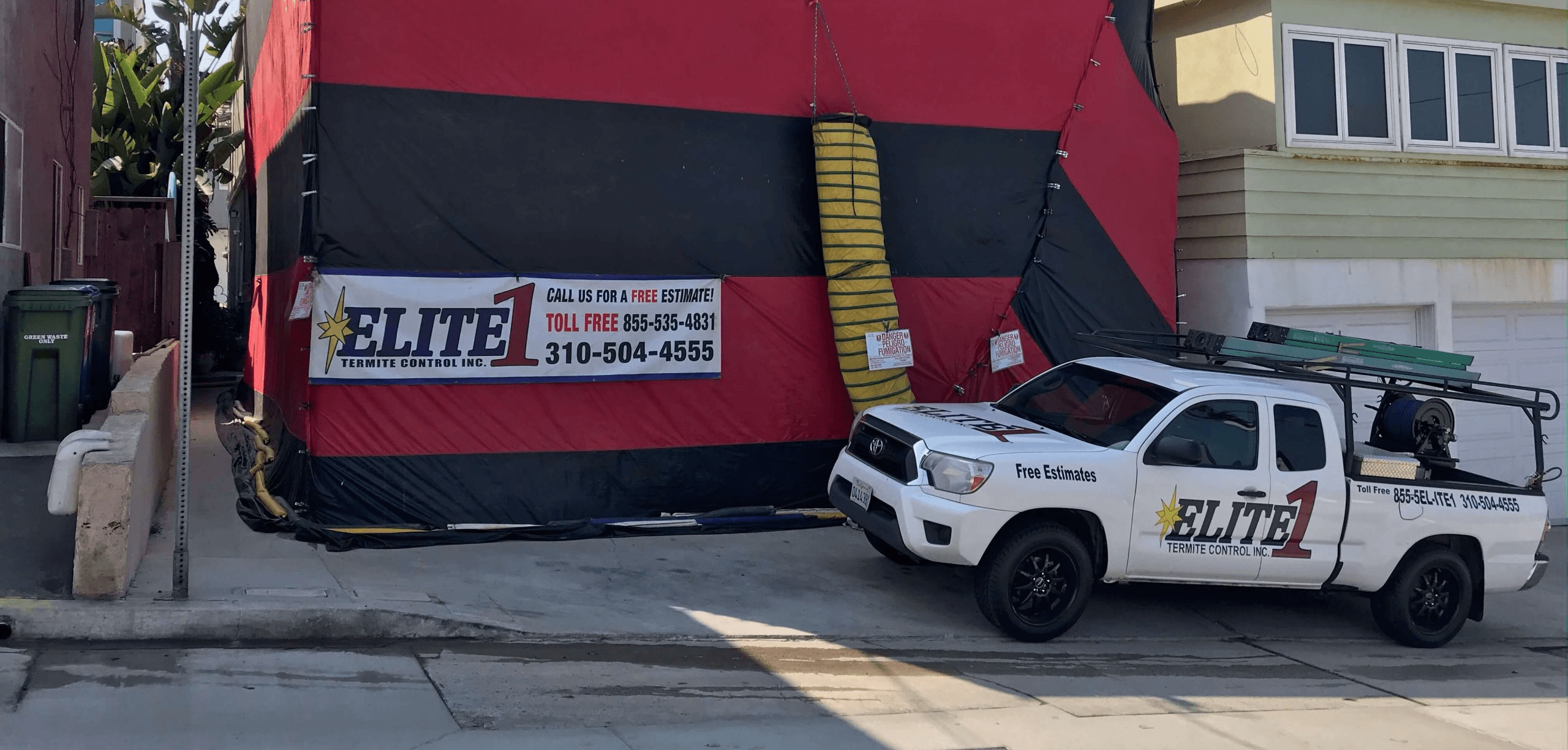
Depending on the findings, treatment may involve localized foam or spot applications, soil treatment, or broader fumigation when concealed drywood activity is extensive. A qualified structural contractor may also be needed to evaluate damaged framing. Pest treatment and structural repair are separate decisions, and neither should be assumed before the evidence is reviewed.
Get Answers Behind the Surface
If suspicious signs are appearing around your walls, contact Elite1 Termite Control for a professional inspection. Our team can assess the evidence, explain what it suggests, and recommend an appropriate next step.