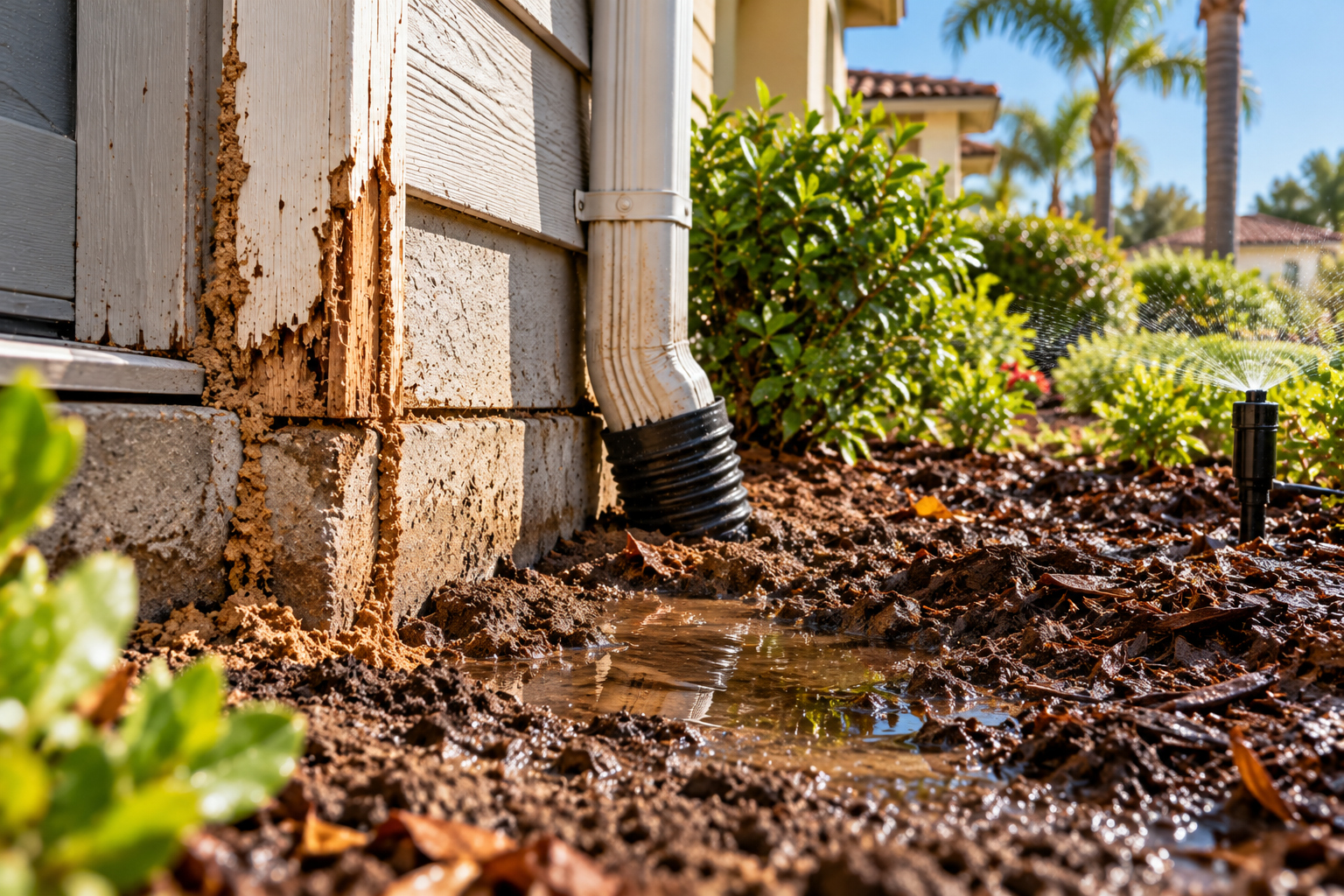
Soil moisture plays an important role in termite activity, especially for subterranean termites that travel through the ground to reach wood. Around Los Angeles County homes, irrigation, heavy rain, drainage problems, plumbing leaks, shaded landscaping, and soil-to-wood contact can all create conditions that make access easier. Drywood termites behave differently because they can live directly inside wood without soil contact, but moisture still matters when evaluating the property as a whole.
Effective termite control starts by identifying the termite species and understanding where moisture is collecting. Damp soil does not automatically mean termites are present, but it can increase risk when it overlaps with wood, hidden entry routes, or existing colony activity. Professional inspection helps separate ordinary dampness from conditions that deserve closer attention.
Damp Soil Can Support Subterranean Termite Movement
Subterranean termites depend heavily on moisture because they need protected conditions while moving between a colony in the soil and structural wood. When soil remains consistently damp near foundations, patios, crawl-space areas, or exterior walls, termites may have more favorable pathways toward the structure.
Moisture-related risk factors can include:
- Irrigation that repeatedly wets soil beside foundations
- Leaking hose bibs, pipes, or outdoor plumbing connections
- Poor drainage that allows water to collect near slabs or walls
- Heavy mulch that keeps soil damp for long periods
- Shaded planting beds where evaporation is slow
- Soil-to-wood contact around posts, siding, or landscape features
Heavy rain can temporarily change the amount of moisture around a structure and make hidden problems easier to notice. A closer look at post-rain termite risk shows why saturated soil, damp wood, and drainage issues can justify a professional inspection even when no obvious damage is visible.
Landscaping Can Hold Moisture Against The Structure
Landscaping can improve curb appeal while still increasing termite risk when irrigation, mulch, wood features, or dense plant growth sit too close to the building. The problem is not the landscaping itself. It is how water, shade, and structural contact are managed around vulnerable areas.
Professionals may evaluate:
- Sprinklers aimed toward siding, posts, or foundation edges
- Drip lines placed close to structural wood
- Dense shrubs that reduce airflow and keep soil damp
- Mulch piled against exterior walls or foundation lines
- Wooden planters, fences, or trellises touching soil and the structure
- Low areas where rain or irrigation repeatedly collects
The relationship between landscaping and termites is important because concealed foundation edges can hide mud tubes, damaged wood, or other warning signs. Keeping those areas visible makes routine inspection more effective.
Moisture correction can reduce conditions that support termites, but it does not eliminate an established infestation. If active termites are present, treatment should be based on the species, location, and extent of activity.
Moisture Management Works Best With Professional Inspection
Soil moisture is only one part of termite risk. Wood placement, structural gaps, drainage, irrigation, foundation visibility, and previous damage all matter. A professional inspection brings those factors together and helps determine whether the concern involves subterranean termites, drywood termites, old damage, or another wood-related condition.
A termite-control plan may include:
- Soil treatment for subterranean termite activity around foundations
- Foam treatment for localized activity in accessible voids or wood
- Borate applications where exposed wood and site conditions make them appropriate
- Heat treatment for selected drywood termite situations
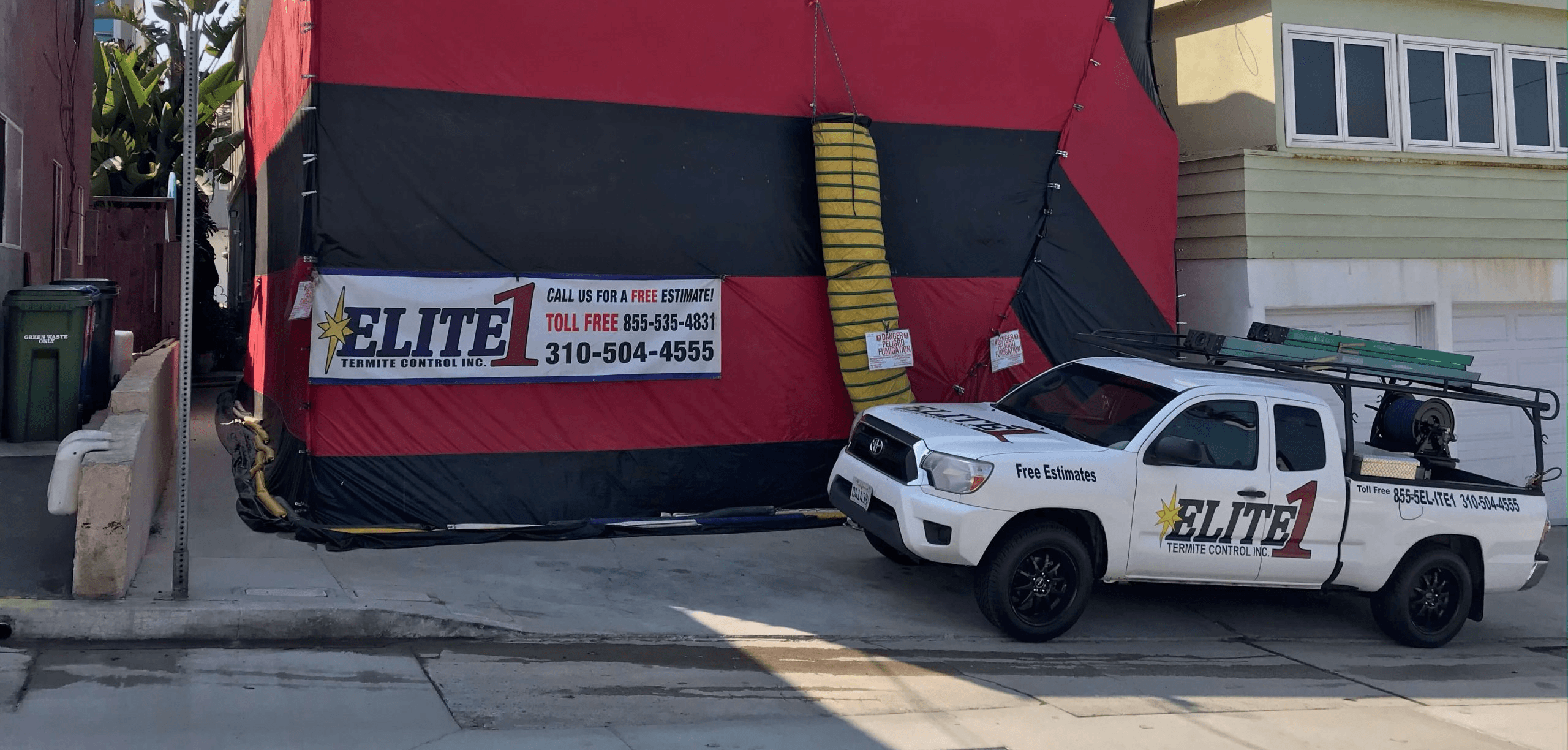
- Whole-structure tenting when drywood activity is widespread
- Ongoing inspection to track moisture, fresh damage, and new evidence
The treatment method should match the actual problem. Subterranean termites moving through damp soil require a different approach from drywood termites living inside attic framing or other above-ground wood.
Homeowners should also understand that moisture conditions change over time. Irrigation schedules shift, mulch builds up, plants grow denser, drainage patterns change, and leaks develop. A foundation edge that was dry and visible one season may become shaded and damp later.
That is why termite control is more effective when moisture management and professional inspection work together. Reducing damp conditions can make the property less supportive, while inspection determines whether termites are already active and what treatment is necessary.
Heavy rain, overwatering, or drainage problems should not be treated as proof of infestation. However, they are useful warning conditions because they can increase termite-friendly moisture and make existing access routes harder to ignore. Mud tubes, discarded wings, frass, blistered wood, hollow-sounding areas, or unexplained soft spots deserve professional evaluation.
Long-term prevention also depends on keeping soil, mulch, and wood from creating hidden bridges to the structure. Foundations should remain visible where practical, irrigation should be directed away from walls, and exterior wood should be separated from damp soil when possible.
The goal is not to keep every part of the yard completely dry. It is to prevent chronic moisture from building up where termites can use it to approach structural wood undetected. A property-specific inspection provides the clearest way to decide which moisture conditions are normal and which ones are increasing risk.
Keep Moisture From Becoming A Termite Advantage
If damp soil, irrigation, drainage, or landscaping is raising concerns around your home, contact Elite1 Termite Control, Inc. for professional inspection, termite control, and treatment recommendations based on the species and conditions found.