
What are Dampwood Termites?
Traits That Set Dampwood Termites Apart
- Moist wood infestations are a hallmark, particularly in areas with plumbing concerns or poor drainage.
- Pale, off-white wings extend about half an inch long on swarmers.
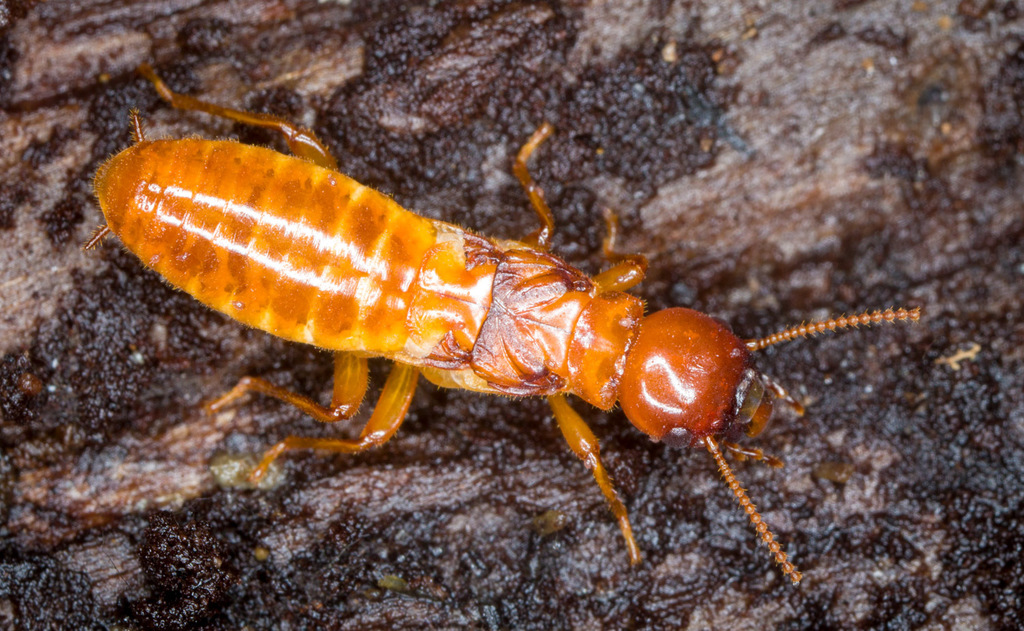
- Hair-covered bodies give them a fuzzy appearance, not like the smooth bodies of drywood termites.
How to Know if Dampwood Termites are Present
Dampwood termites tend to leave behind obvious hints compared to their drywood counterparts. One clear indication is the presence of pellet-shaped droppings. Such fecal pellets look like tiny grains of rice and usually accumulate near infested wood.
You might also look for discarded wings around windows or near wooden decks. Such wings, left behind by swarmers, resemble bits of thin white paper and normally appear after a rainfall or during humid evenings. If your home deals with persistent moisture-related issues, like unsealed wood, leaking pipes, or inadequate ventilation, you may unknowingly invite dampwood termites inside.
What Do Dampwood Termites Look Like?
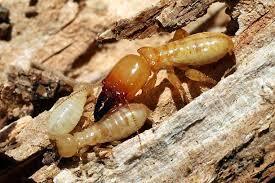
Dampwood termites are easy to pinpoint if you know what to look for. They are normally brown with a reddish tint across their smooth and shiny abdomens. On average, they measure about half an inch in length and walk on 6 legs. Their bodies look elongated and sleek, somewhat like tiny polished footballs.
Their head shape is unique as well. It’s either pear-like or oval, with straight antennae out front that help them sense their surroundings. Not like other termite species, they thrive in high-moisture environments since their digestion relies on damp wood.
Inside homes, dampwood termites chew their way through wood with increased moisture levels. Over time, the tunneling weakens structural elements. Left untreated, the damage spreads discreetly but steadily. If your property deals with plumbing leaks, wooden parts close to wet soil, or soggy beams, you’re giving dampwood termites everything they need to move in.
Practical Tips to Prevent Dampwood Termites from Coming Back
- Block entry points by positioning a solid barrier between the soil and any wooden parts of your home. You can use moisture-resistant barriers, replace rotted materials, and set up screened vents or tight covers where wood meets outdoor soil.
- Apply preventive treatments like boric acid or food-grade diatomaceous earth to vulnerable spots. These solutions are lethal to termites but safe for families and pets when used correctly. They’re quite helpful in crawl spaces, basements, or other wood-damp zones where reinfestation could start.